


Right Fit from the First Hire: Offshoring with CEO Scott Mesh
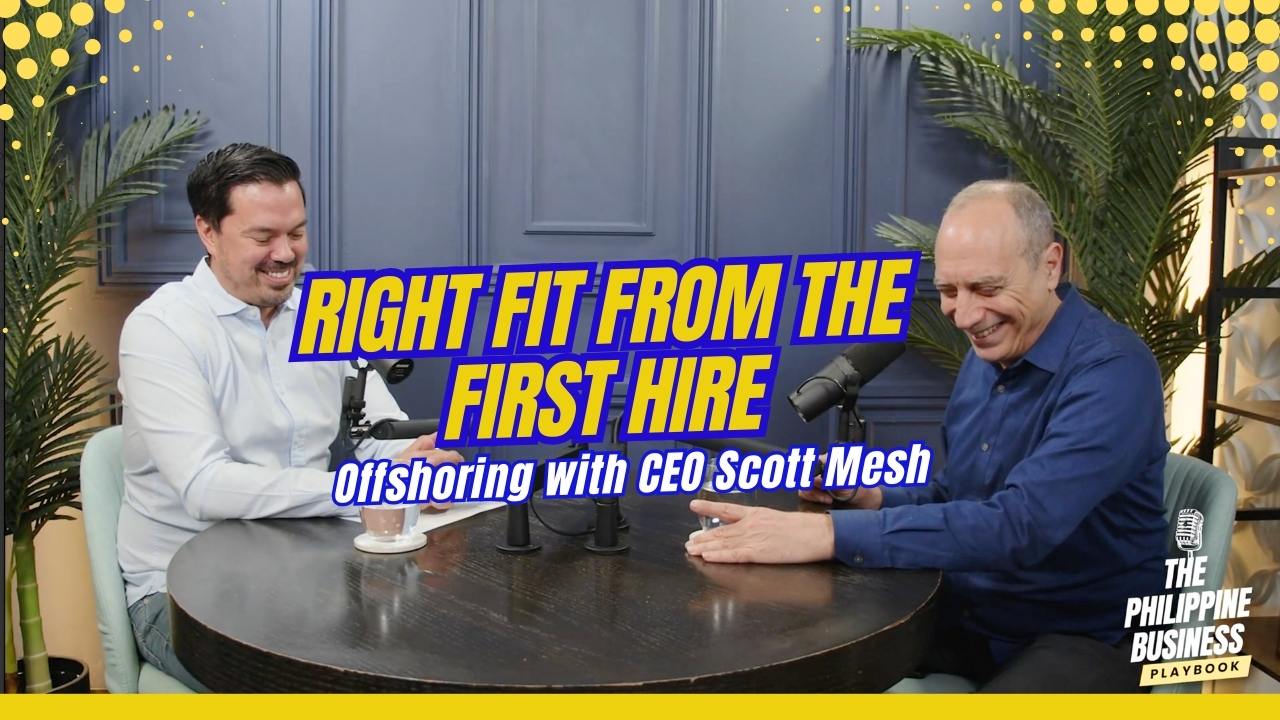

Los Niños Services is no stranger to excellence. As a multi-award-winning early childhood and educational services provider, its longstanding commitment to impact, innovation, and community support has made it one of New York’s most trusted organizations in its field. In this episode of The Philippine Business Playbook, CEO Scott Mesh shares how offshoring became a strategic extension of that mission and why the Philippines has become a natural fit for their growing team.
Finding the Ideal Offshoring Partner Through Clarity, Culture, and Alignment
Scott first explored offshoring after conversations with Bryan Luoma through the Entrepreneurs’ Organization network. Like many founders, he did extensive due diligence across several service providers. What stood out most was Tahche’s cost-plus model, which aligns incentives transparently. Because Tahche does not earn more or less based on an employee’s salary, raises and promotions are fully guided by performance and client needs rather than agency margins.
For Scott, whose organization values longevity, culture-building, and employee growth, this structure mattered immensely. He needed a partner whose model supported the very behaviors he wanted to encourage: long-term development, recognition, and clear pathways for advancement.
When the First Hire Sets the Standard
Los Niños Services’ very first offshore hire proved to be a turning point. Scott shares that Tahche delivered someone who checked every difficult box: knowledge in early childhood development, teaching experience, administrative capability, and an aptitude for supporting their digital transformation efforts. It was a rare combination and one that integrated seamlessly into their mission-driven team.
The Philippines quickly emerged as a cultural match for Los Niños Services. Scott highlights that Filipino professionals tend to be hardworking, pleasant to collaborate with, relationship-oriented, and naturally eager to deliver excellent work. For organizations in care-centric fields, this alignment of values is a competitive advantage in itself.
The High Performance Mindset
One of Scott’s biggest leadership priorities is cultivating people who not only accept feedback but actively seek it. He describes this trait as a marker of maturity and potential. It is something he consistently sees in Tahche-endorsed employees and Tahche’s Philippine-based support teams, both of which embrace open communication and continuous improvement.
Scott also emphasizes what he calls the three Cs for organizational success: Connecting, Communicating, and Coordinating. When companies do these well, leadership becomes easier, collaboration becomes smoother, and offshored teams become true extensions of the organization, not remote add-ons.
Why First-Time Offshorers Should Start Sooner, Not Later
When asked what advice he would give to leaders considering offshoring for the first time, Scott is direct: start immediately. In his view, virtual collaboration is no longer a hurdle, confidentiality concerns are addressable through proper governance, and productivity issues are rarely about geography at all. If a leader cannot tell whether their people are working, the real problem is unclear KPIs and poor performance systems, not offshoring itself.
With the right structure and expectations in place, offshore teams can thrive and drive sustainable business growth. For Los Niños Services, the experience has been so successful that Scott says he wishes he had embraced offshoring earlier.
A Partnership Rooted in Trust, Alignment, and Shared Purpose
This episode highlights what happens when values, processes, and incentives align. From the first hire to the growing team they have today, Scott’s experience demonstrates how strategic offshoring rooted in clarity and cultural fit can empower organizations to expand their capabilities without compromising quality or identity.
The takeaway is simple but powerful: the right partner helps you build a team that feels unified, mission-driven, and ready for long-term success, no matter where they are in the world.
_____
For more insights into building a strong offshore team, subscribe to The Philippine Business Playbook on YouTube, Spotify, and Apple Podcasts